The Top Reasons Why People Succeed In The How Much To Replace Gutters And Downpipes UK Industry


How Much to Replace Guttering and Downpipes in the UK
Gutters are designed to manage the flow of water to ensure that it can be drained away from your home and then into drainage systems. If gutters aren't properly maintained your home may be prone to damp issues.
Install new gutters and the soffits and fascias. They are likely to have rotted and require replacement to withstand the weight of your new gutters.
uPVC
If you are in search of a gutter replacement or downpipes installation, then it is essential to choose a licensed and trustworthy contractor. This will ensure the work is done to the highest standard and you will receive an assurance for your new guttering. You should look for a guttering system with at least a 10-year guarantee.
Rainwater drainage systems are not complete without gutters and downpipes. They divert water away from buildings which prevents structural damage and damp.
It is worthwhile to invest in your gutters to fix or replace them. This will help protect your home from water damage. However, the cost of installing new gutters and downpipes will depend on the type of material you select. uPVC is the most well-known material, is priced at approximately PS30 a metre. Other materials, like aluminum may cost a bit more.
Before you begin your guttering project, be sure that you remove any existing debris. Gutters that are rusty and old are unsafe to handle and could have sharp edges. Check the condition of your fascia board, as they may also need to be replaced.
Many people don't think about their gutters until they begin to experience issues. However, a few simple measures can extend the lifespan of your downpipes and gutters. Regular inspections and cleaning will stop blockages and keep the drainage system working properly.
It is a great idea to clean your downpipes and gutters at least once a year, especially in the autumn and spring. This will get rid of any accumulation of debris and leaf litter that can cause obstruction. It is also a good idea to clear your roof of any moss or growth of plants, since it could cause blockages in the downpipe.
In the UK it is not recommended to direct downpipes directly into drains because this could cause them to overflow, causing flooding or structural damage. Instead, downpipes should be connected to soakaways or surface water drains which will slowly drain into the ground without damaging the foundations of your home.
Cast iron
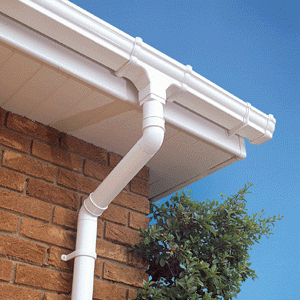
The cost of replacing guttering differs dependent on whether you have an encased or terraced house or a semi detached property. For instance, uPVC costs about PS30 per metre for a small terraced house, while cast iron can run up to PS750 for a larger semi-detached house. In addition to the cost of new gutters and downpipes, you may also need to pay for fascias or soffits. This can add an extra PS135 per metre to the total cost.
It is essential to repair your gutters as soon as they are damaged. In the event of gutter leaks that are not addressed, they can lead to damage to your roof, mould and pest infestations. If you notice a problem with your gutters, call a professional right away to evaluate the situation. They will be able to determine the problem and suggest the best solution. They can charge an hourly fee for this service or provide a fixed cost for the work.
In the UK the most sought-after guttering material is uPVC, which is available in various colours and styles. It's easy to install and is covered by a guarantee against damage or leakage. However, if you're seeking something more traditional, you could choose copper or cast iron. Both are more expensive than uPVC however, they'll last for a long time and can add value to your property.
Cast iron is an alloy that has more than 2% carbon, along with varying concentrations of silicon and other elements. It is divided into a variety of categories based on the type of pig iron used, the degree of alloying and the rate of cooling during and after casting.
In general, the more alloying is added to cast iron, the better it will withstand corrosion. However this is only the case in the event that the alloys are incorporated properly and in the proper proportion. It is also a good idea to use an experienced foundryman or metallurgist to assist in the process of designing casting iron pieces. This will ensure that the iron is free of defects like airholes, a broken pouring (cold sheets) cracks, and cinders. These are all common problems that can weaken the piece mechanically and cause corrosion problems.
Aluminium
Aluminum gutters come in various styles to match your home's style. They are also less expensive than other kinds of gutters. The cost of materials ranges from $5 to $13 for each foot, and installation is $6 to $20.
The cost of gutters is determined by a variety of factors, including the type of material used and the size of your home. Plastic gutters might be the most affordable option, but they are not as durable and appear less attractive as other types of gutters. Aluminum gutters are a mid-range choice, and come in a variety of colors to match your home's exterior. They are also durable and easy to maintain.
Copper gutters are an excellent option for those looking for a premium gutter system. They're extremely durable and can last for 60 years or more and can be installed in a variety of different styles. Copper is more expensive than other gutter systems, however it's worth the investment to shield your home from water damage.
Gutter leaks can cause structural damage to your house. If you notice a leak it is crucial to contact a professional immediately. They can check the guttering and identify the cause of the leak. If the guttering has to be replaced or repaired, they can do so.
The most common cause of leaks in gutters is a lack of fitting joints and brackets. If they're not installed correctly they could break or crack. If you have a leak in your guttering, it's a recommended to have the system replaced right away.
If you're planning to replace your gutters it's the perfect time to replace your fascia boards, too. This will help you save money over time and also prevent moisture damage to your roof and soffits. You can get estimates for these jobs by contact with a local contractor, or via the internet. Choose a company with expertise in the installation and repair of gutters. Before you choose a business it is essential to check their credibility.
Copper
When you're thinking of replacing your gutters, it's important to consider the long-term costs. Gutters made of poor quality materials may crack or corrode. This can lead to expensive repairs for roof damage dampness, pests and mold. RepairMyWindowsAndDoors of higher quality may cost more initially, but they will last longer and are easier to maintain.
The best gutters for your home are based on a number of factors, including their size, material and the location. uPVC gutters are the most popular option for UK homes. Copper gutters are also available. Copper gutters are more expensive than other types, but they look gorgeous and last for up to 60 years. In addition to their long-lasting properties copper gutters look attractive and can add a touch of luxury to your home.
Based on the type of gutters you select it is likely that you'll require the installation of additional components to ensure that your system functions properly. This could include downpipes, extension sections, gutter junctions and downspouts. The cost will vary depending on who you hire and what their hourly rates are. You can get an approximate estimate of the cost by having the contractor visit your property and assess the damage.
Apart from the cost of materials, you might have to pay for labour. This will vary depending on the size of your house and the complexity of the task and whether or not you will require scaffolding to complete the job. The majority of professionals charge by the hour. However, you can ask for a fixed price.
It's best to have a professional do the job for you when you're prepared. Doing the work yourself isn't recommended, especially for properties that have more than two stories. Working from a roof can be dangerous, and working on the ladder can be fatal. If you do decide to take the DIY option, make sure you choose an appropriate ladder that can support your weight. Also, you'll need safety equipment and protective equipment.